Tour Overview
Book Tanzania Safari with Us!
Discover the best time to visit Tanzania for safaris, wildlife viewing, and beach holidays. Learn about seasons, migrations, and travel tips for an unforgettable Tanzanian adventure.
The Best Time to Visit Tanzania guide helps travelers plan their safari, trekking, and beach holidays for optimal weather and wildlife experiences. Tanzania offers a range of climates across its national parks, the Serengeti migration, Ngorongoro Crater, Tarangire, Lake Manyara, and coastal destinations like Zanzibar. This guide covers dry and wet seasons, wildlife patterns, migration timings, and cultural festivals, helping travelers maximize their experience and plan an unforgettable adventure. Whether you want to see the Great Migration, climb Mount Kilimanjaro, or relax on Zanzibar’s pristine beaches, knowing the best months to travel ensures a smooth and rewarding trip.
🗺️
More Details
Best Time to Visit Tanzania
Understanding Tanzania’s Climate
Tanzania’s climate is influenced by its location near the equator and its diverse geography, including coastal plains, savannahs, lakes, and mountains. The country experiences two main seasons: the dry season and the wet season, with local variations depending on altitude and region. Knowing the climate is crucial for planning safaris, trekking, and beach holidays.
Dry Season (June – October)
The dry season is the most popular time to visit Tanzania, especially for safaris. During these months, wildlife congregates around water sources, making animals easier to spot. The skies are mostly clear, and roads are accessible, providing ideal conditions for game drives and photography.
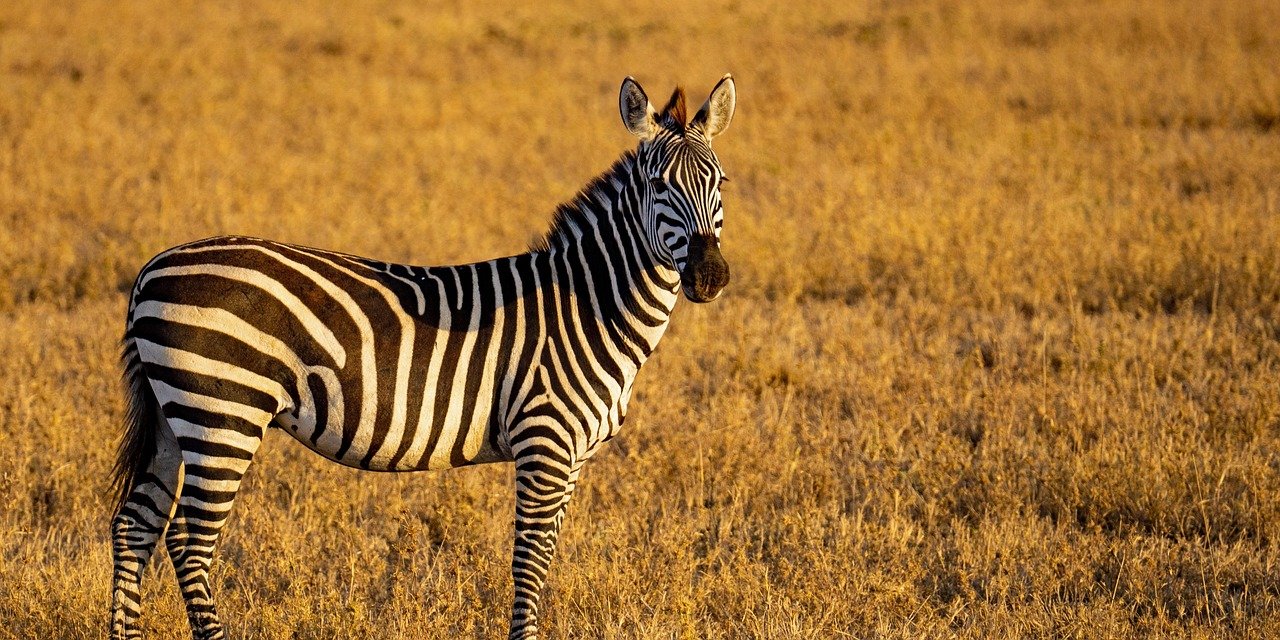
- Serengeti National Park: Witness the Great Migration as wildebeest and zebras move through the northern plains.
- Ngorongoro Crater: Wildlife gathers around crater waterholes, offering better chances to see the Big Five.
- Tarangire National Park: Elephant herds are concentrated near rivers and lakes.
- Lake Manyara: Tree-climbing lions and birdwatching are optimal during the dry months.
- Zanzibar: Sunny weather, calm seas, and minimal rainfall make beach holidays perfect.
Wet Season (November – May)
Tanzania’s wet season is divided into the short rains (November – December) and long rains (March – May). Although some parks may be harder to access due to muddy roads, the wet season has its advantages. The landscapes are lush and green, rivers are full, and migratory birds are abundant.
- Flamingos & Birdwatching: Lake Manyara and coastal wetlands host thousands of migratory birds.
- Fewer Crowds: Tourist numbers are lower, providing a more intimate safari experience.
- Great Migration: The wildebeest calving season occurs in the southern Serengeti during January–March.
- Photography: Vibrant green landscapes and dramatic skies make for stunning photos.
Regional Considerations
Different areas of Tanzania have slightly varied climates, which can affect travel plans:
- Northern Circuit (Serengeti, Ngorongoro, Tarangire, Lake Manyara): Best visited June–October for dry conditions, wildlife concentration, and clear skies.
- Southern Parks (Selous, Ruaha): Accessible June–October, though some wildlife remains visible year-round.
- Mount Kilimanjaro: January–March and June–October are the preferred trekking periods due to stable weather and less rain.
- Zanzibar & Coastal Areas: December–February and June–October offer sunny, warm weather ideal for beach holidays and water sports.
Wildlife & Migration Highlights
Tanzania’s wildlife movements influence the best time to visit. The Serengeti Great Migration is a key highlight:
- January–March: Calving season in the southern Serengeti; predators are active and wildlife is abundant.
- April–May: Wet season; southern plains are lush but roads may be slippery.
- June–July: Wildebeest move to western and northern Serengeti plains.
- August–October: River crossings at Grumeti and Mara rivers; ideal for dramatic wildlife photography.
- November–December: Short rains; wildebeest return south, and the plains are green and less crowded.
Practical Travel Tips
- Book safaris and accommodations in advance during peak season (June–October).
- Pack layers, as temperatures vary from cool mornings on the savannah to warm afternoons.
- Carry waterproof jackets during the wet season for game drives and trekking.
- Use insect repellent and take malaria prophylaxis during the wet season.
- Always follow your guide’s instructions in national parks for safety.
Combining Safaris with Other Experiences
Tanzania’s diverse attractions allow travelers to combine safaris with beach holidays, climbing adventures, and cultural tours:
- Kilimanjaro Treks: Schedule treks during June–October or January–March for the best conditions.
- Zanzibar & Pemba Island: Combine safari with a tropical beach escape during sunny months.
- Cultural Tours: Visit Maasai villages or local markets year-round, though access may be easier in the dry season.
FAQs About the Best Time to Visit Tanzania
1. When is the peak tourist season?
The peak season is June–October, coinciding with dry weather and optimal wildlife viewing.
2. Can I visit Tanzania during the wet season?
Yes. The wet season offers lush scenery, fewer tourists, and birdwatching opportunities, though some roads may be challenging.
3. What months are best for the Great Migration?
January–March (southern Serengeti calving), June–October (northern migration and river crossings).
4. When is Mount Kilimanjaro best to climb?
The ideal trekking periods are January–March and June–October for dry, stable weather and safer trails.
5. Is Zanzibar suitable year-round?
Yes, but December–February and June–October are best for sun, calm seas, and water activities.
6. How should I plan my itinerary based on the season?
Match your safari and activities to the weather and wildlife patterns. For example, combine dry-season safaris with trekking, and wet-season visits with birdwatching and lush scenery.
Booking Form
Top Destinations in Tanzania
Tour Price Covered/Not Covered
All park fees & entrance tickets for selected destinations
Accommodation (budget/lodge/campsite depending on tour type)
Meals as per itinerary (breakfast, lunch, and dinner)
Transportation in 4x4 safari vehicles / tour-specific vehicles
Professional English-speaking guide or driver-guide
International flights and airport taxes
Travel insurance and personal expenses
Tips for the crew(high recommended)
Beverages, snacks, or meals not mentioned in the itinerary
Optional activities not listed in the itinerary